Portfolio

Figs of Paddington (2026)

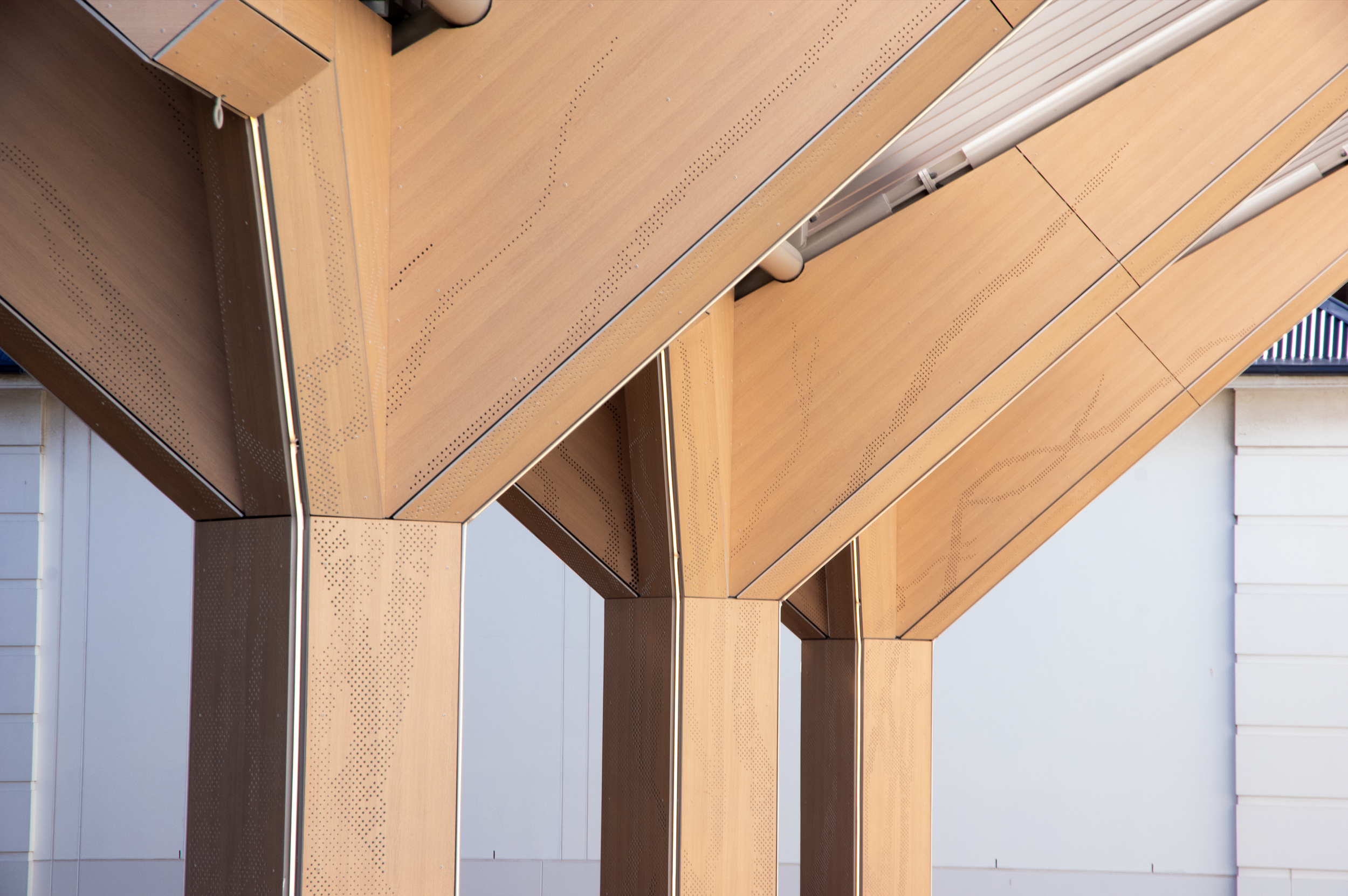
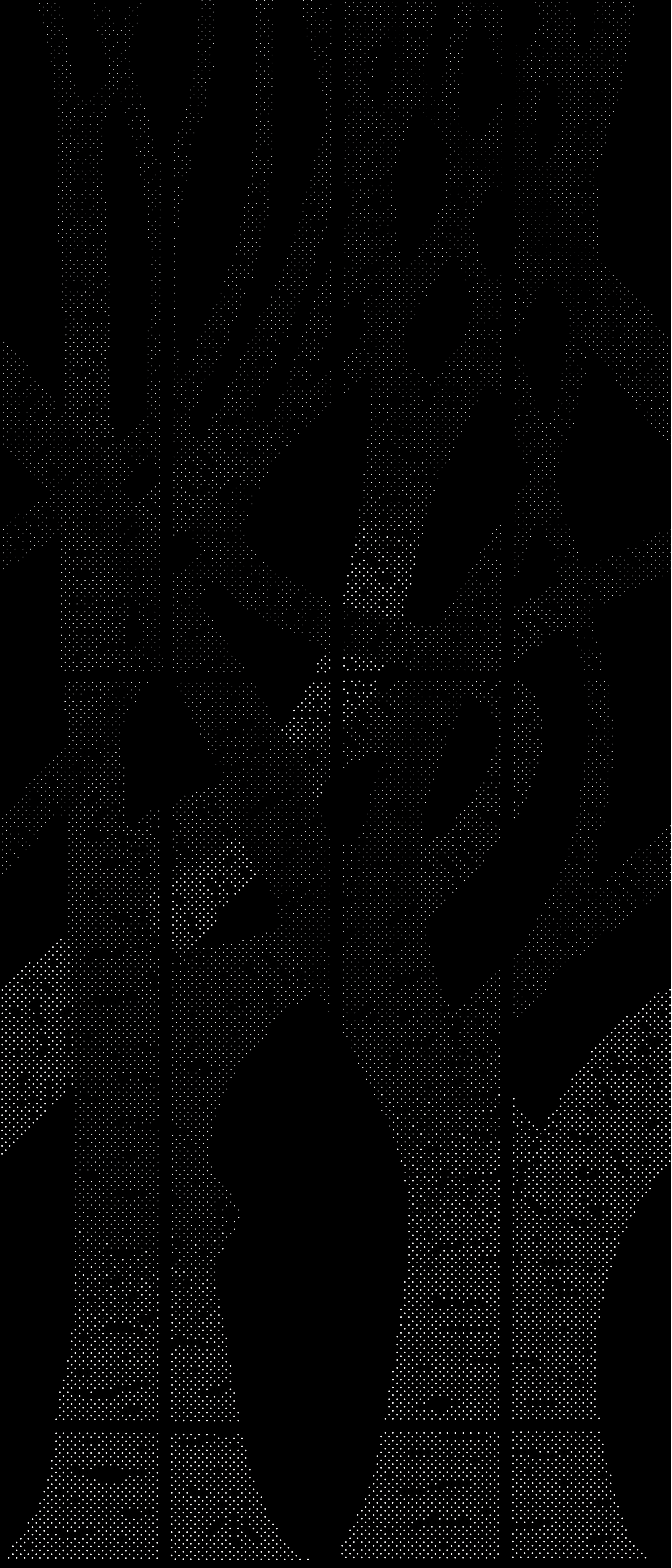
Figs of Paddington is a permanent public artwork integrated into an architectural pavilion located in the central courtyard of UNSW Paddington. This site-specific installation incorporates imagery of the native fig trees surrounding the campus. Three 7.5 metre tall pillars each feature a different tree, appearing to sprout from the earth to hold up the pavilion. These three new fig trees add to the existing natural canopy.

This concept was developed in response to a project brief requiring integration with the site, community and planned longevity of the work. Documentation and close analysis of Hills Weeping Figs on Selwyn and Napier Street and Moreton Bay Figs on Oxford Street and in the Victoria Barracks lead to the development of different visual styles to differentiate the two species across the pillars. The main difference in the local trees is their age; the local Moreton Bay Figs are 90 years older than the Hills Weeping Figs and significantly larger. The artwork incorporates this by giving the Moreton Bay pillar a larger trunk, stronger age markers and accents of lichen.

After my concept was chosen for the project, I worked closely with the client, architect and manufacturer to develop the design. This involved changes to the visual language of the artwork in response to client feedback and technical limitations, as well as creation of technical documentation for the manufacturer. The final artwork is rendered from 108 unique perforated fibre cement panels, featuring the artwork made from 76,000+ dots.


Continuity (2025)

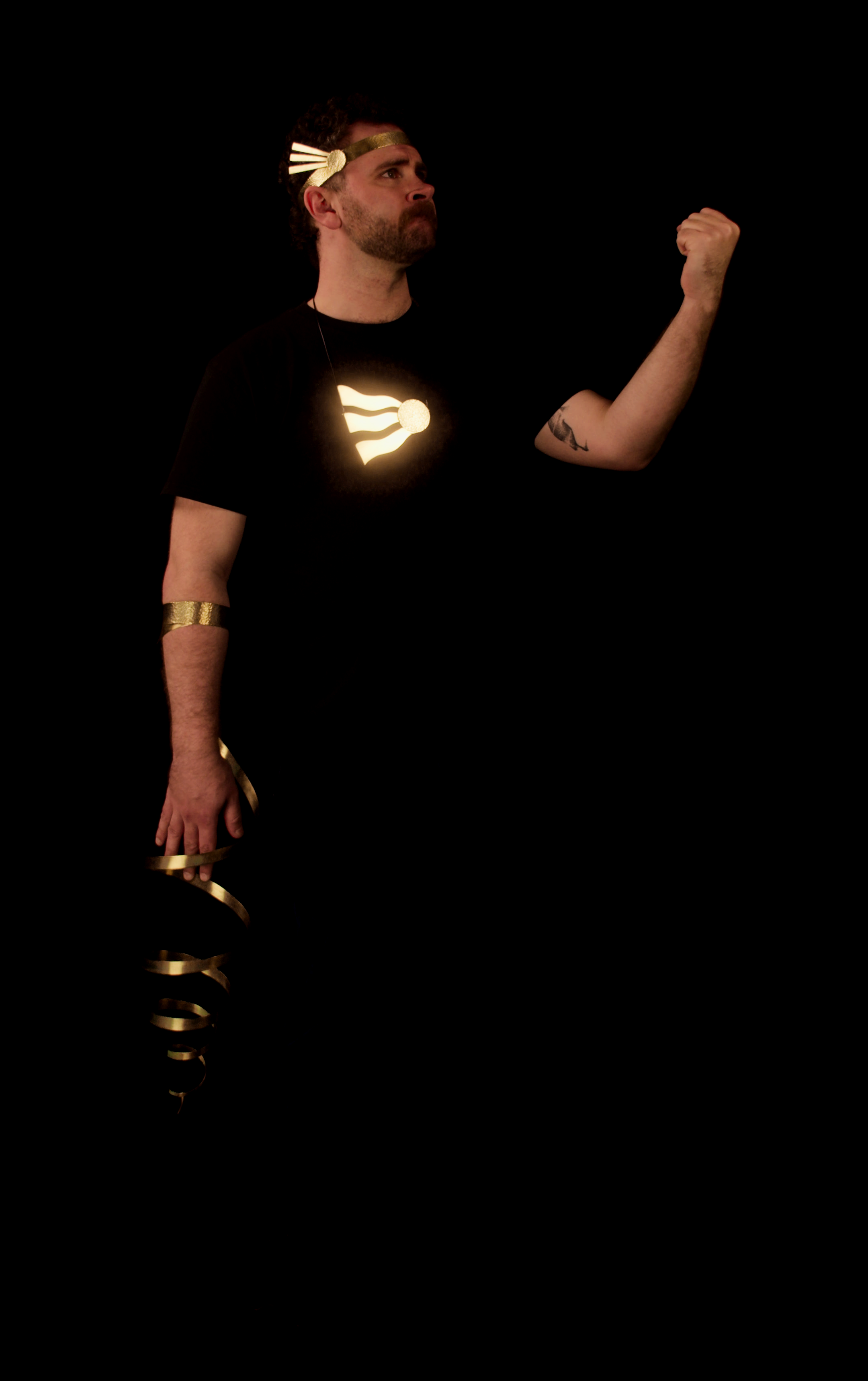
Continuity is a series of brass wearables that represent living in the present, while remaining connected to the past. A comet motif is used across all pieces to symbolise this theme, with the body of the comet representing the present, and the fiery trails behind the past. This symbol was chosen because of its visual connection between an object and where it has just been as it travels forwards. In human experience, this connection is an internal experience. 

The contrast between past and present is reinforced with the use of different metal finishes; The present (the comet body) is hammer textured and burnished. The past (the comet trails) are smooth and polished. Each piece features an internal acid-etched design that isn’t visible while being worn.

The first piece is an arm band with a 2.5 metre brass spiral trailing down and off the arm. The inside of the arm band has an image of Halley's Comet, inspired by the 11th century Bayeux Tapestry. The trail of the comet directly lines up with the internal connection from the band to the spiral, connecting the internal and external representations of the comet.

The second piece is a crown featuring comets on the sides. The comets are raised from the crown band and appear to float. The inside of the crown band features a central comet on the forehead, with three trails that travel along either side of the band around the back of the head. 

The third piece is a comet shaped pendant. The back of the comet body features a series of wavy lines similar to the comet trails, in an abstract pattern.


Regenarium (2026)

As you enter the concrete, industrial behemoth that is Carriageworks, your destination calls from beyond its spatial boundaries. The scent of eucalyptus is in the air, a distant soundscape of nature calls your attention towards the entrance, which is lined with a cluster of gum trees, hinting at something special beyond. As you walk through the doors to Bay 21, you enter an otherworldly yet familiar landscape; a living breathing forest enclosed in a giant room.

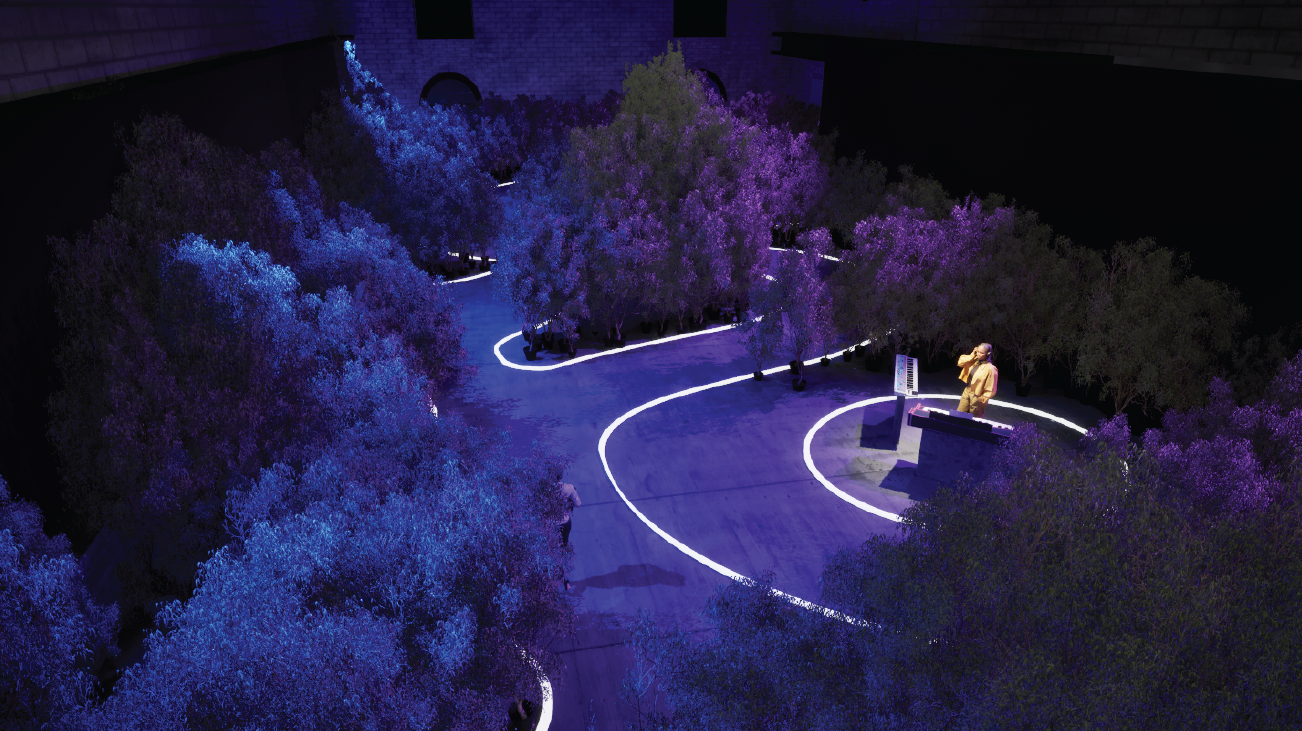
Regenarium is a speculative multi-sensory experience and sustainability initiative that immerses participants in an enclosed space housing 2500 gumtree saplings that have been arranged to resemble an established gum forest. They are destined to be planted in a reforestation project, which grows in size as more participants attend the Installation.

During the day, sunlight streams through the skylights above, lighting the forest through a metal roof. A nature soundscape, composed of recordings from established ecosystems, plays ambiently. A series of paths through the trees allows participants to explore and meander through the space. Some paths are thinner than others, resulting in leaves brushing over participants as they push through into new zones. In the middle of the forest there is a stage for a performer, with a programmed lineup of acoustic solo musicians that perform among the trees. The music carries through the entire forest, though only a small area allows sight of the Musician.

At night time, the space is transformed into a magical, techno-wonderland. Slow changing coloured lights transform the forest into a dream-like experience. Electronic music plays through the speakers, alongside the night-time nature soundscape, as participants explore the forest completely anew.


The Solution (2025)

I love a beautiful bowl. It’s a functional object that serves to hold and celebrate food. Striking aesthetics in bowl design can elevate how a meal is experienced and enjoyed, and take pride of place on the shelf. With my project The Solution I aimed to design bowls that strike the balance between beauty and function.

Having used bowls all my life, this project felt very close to home. As I began pondering how to improve the function of a bowl, my memory was cast back to a harrowing experience from my childhood.

A slowly steeped broth, a soft boiled egg, an assortment of accoutrements and perfectly cooked noodles - a labour of love, the perfect meal. Then in an instant… OUCH!

The bowl too hot and heavy, my perfect meal is shattered on the ground, its unrealised potential scattered on the four winds. I performed a sorrowful cleanup with egg on my face.

As I relived this memory, I asked myself... what if the bowl had handles?

So simple. So perfect. It surprised me no one had ever thought of this before.
As stated by me, “...handles represent a functionality no bowl has ever had” (Me, 2025, p. 29).

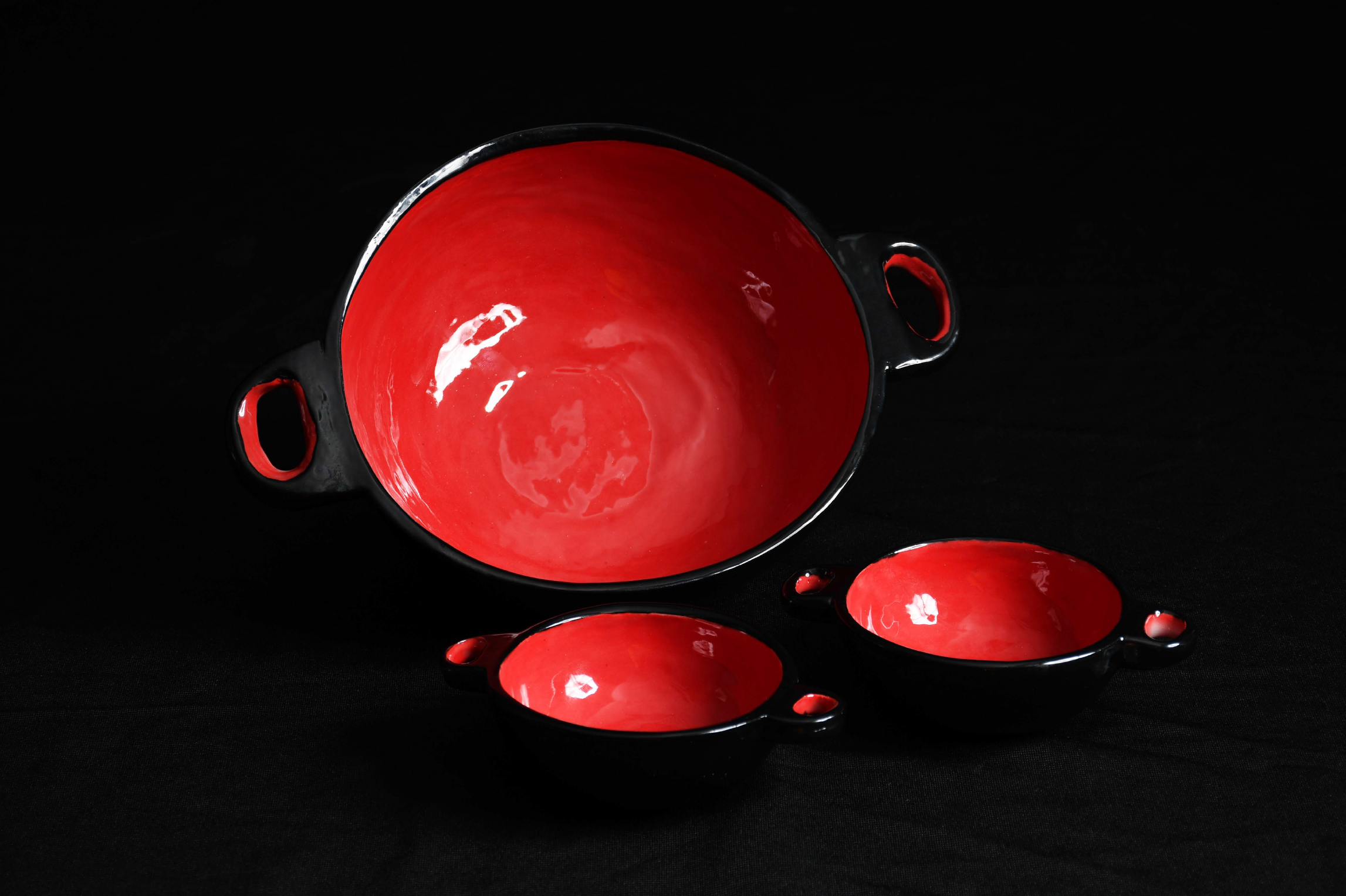
With the handles as the primary design feature, I sought to capitalise on the leverage by making the bowl deep and bulbous. Small bowls of the same proportions were designed to hold sides or snacks to support the main meal. The gloss black exterior of the bowls give a heavy presence that ground the set when displayed on a shelf, the neutral colour working with most interior decor styles. The red interiors can be fully enjoyed when the bowls are in use, the bright colour celebrating the food it holds. I present: The Solution.

Boughlamp (2025)

Gesture activated lamp

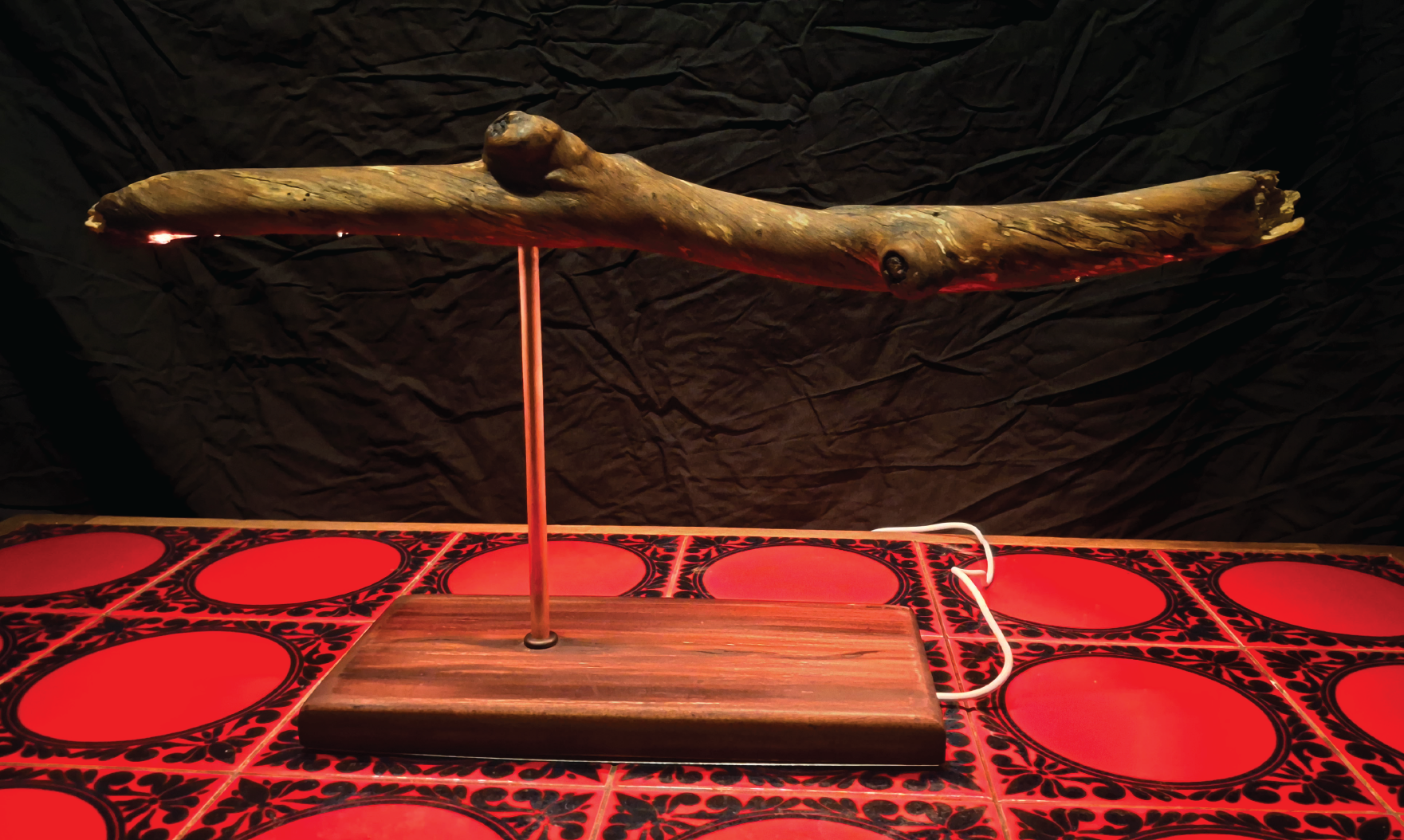
Boughlamp is a lamp made from found wood: A branch of gum for the body and reclaimed pine for the base. The project aims to bring grounding and awareness to the everyday ritual of turning on mood lighting.

Boughlamp is activated with a gesture; a stroke along the branch which triggers a sensor and turns on the soft light. The user is encouraged in this moment to connect with the wood, as they ‘cast the spell’ which conjures forth the light. The provided context of the wood’s origins are intended to deepen this moment of grounding, by connecting the user to the story of the materials and the nature they come from.

Contact me